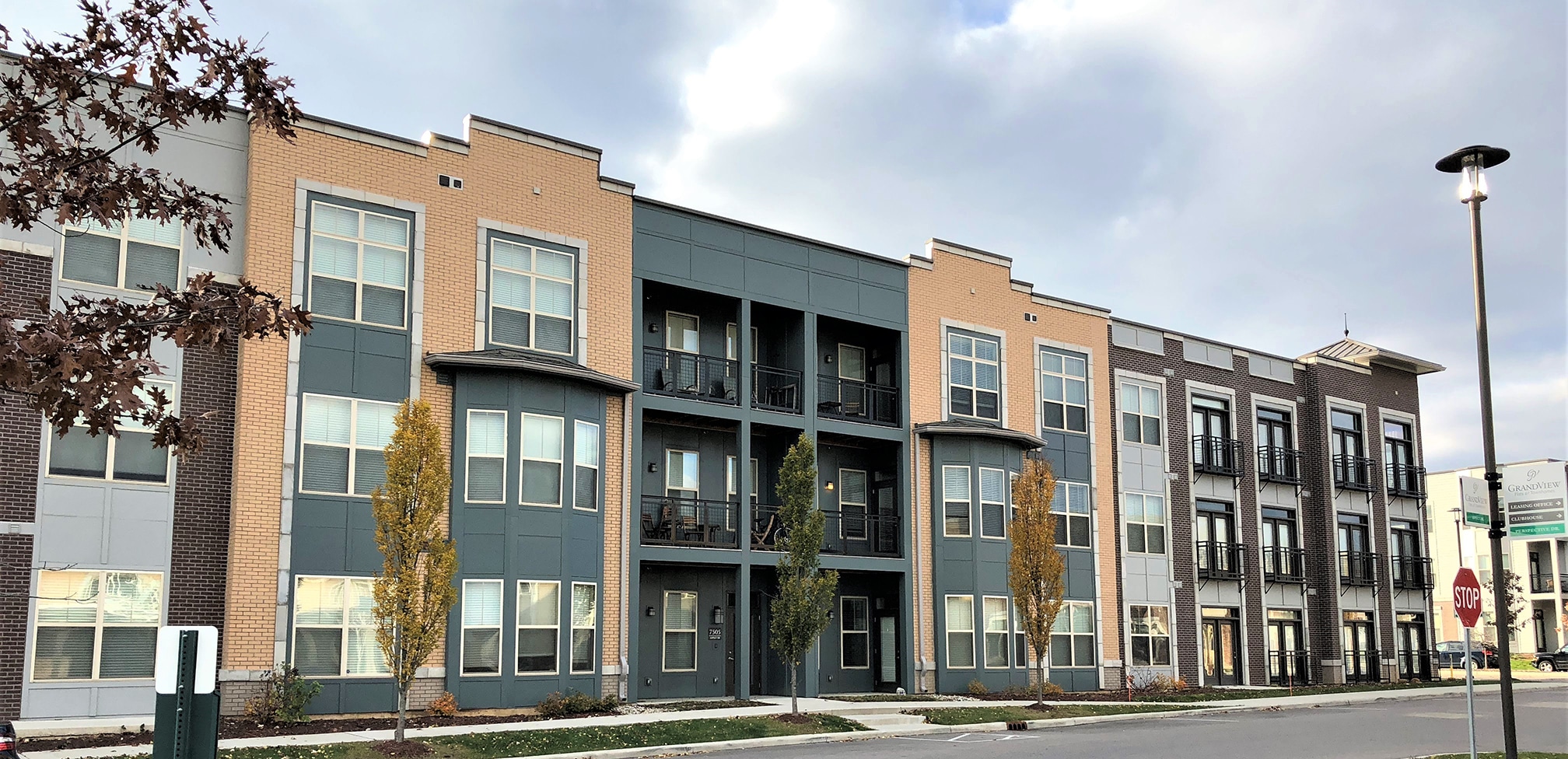
Financing solutions for duplexes, triplexes, apartment buildings, and multifamily portfolios. Value-add opportunities and stabilized property refinancing.
Multifamily property ownership in Montecito and Santa Barbara County represents a compelling investment strategy that combines steady rental income with long-term appreciation potential. From duplexes and fourplexes serving local residents to larger apartment buildings housing the area's workforce, multifamily properties provide essential housing while generating returns for informed investors. Hard money financing serves multifamily owners across numerous scenarios including acquisitions, refinancing, value-add renovations, and cash-out transactions that unlock equity for portfolio growth.
The multifamily market in this prestigious coastal region presents unique characteristics that favor sophisticated investors who understand local dynamics. Montecito's limited housing inventory and high barriers to entry for new construction create persistent demand for quality rental housing. The area's employment base, spanning tourism, education, healthcare, and professional services, generates consistent tenant demand across economic cycles. Multifamily owners who maintain well-located, professionally managed properties benefit from low vacancy rates and rental rate growth that outpaces many other investment categories.
Hard money loans address specific financing needs that multifamily owners encounter throughout their investment journeys. Traditional financing through Fannie Mae, Freddie Mac, or commercial banks offers attractive terms for stabilized properties but imposes strict requirements regarding property condition, tenant lease status, borrower experience, and documentation that exclude many viable transactions. Hard money lenders evaluate multifamily opportunities based on property cash flow potential and value enhancement opportunities rather than rigid qualification criteria, opening financing access for properties in transition or owners with complex financial situations.
For value-add investors, hard money financing proves particularly valuable. Properties requiring renovation, repositioning, or operational improvements often fail to qualify for conventional financing despite representing compelling investment opportunities. Hard money acquisition and renovation loans enable investors to purchase underperforming multifamily assets, complete necessary improvements, lease to market rents, and eventually refinance into permanent financing at stabilized valuations. This BRRRR strategy (Buy, Rehab, Rent, Refinance, Repeat) has created substantial wealth for multifamily investors who master the approach with appropriate hard money financing support.
Multifamily Loan Options
Multifamily property owners access diverse hard money loan programs designed for specific investment strategies and property characteristics. Understanding available options helps owners select optimal financing structures.
Acquisition Financing for Multifamily Properties enables investors to purchase duplexes, triplexes, fourplexes, and larger apartment buildings. These loans typically offer 70% to 80% of purchase price with interest-only payments during initial holding periods. Unlike conventional financing that requires extensive property due diligence and borrower qualification, hard money acquisition loans close rapidly based on property cash flow potential and value enhancement opportunities. Short-term terms (12 to 36 months) accommodate bridge-to-permanent strategies.
Value-Add Renovation Loans support multifamily owners upgrading properties to capture higher rents and improve valuations. These loans combine acquisition or refinancing with renovation funding, providing capital for unit renovations, common area improvements, amenity additions, and systems upgrades. Draw schedules disburse renovation funds as work completes, allowing owners to transform underperforming properties into market-leading assets. Upon stabilization, owners refinance into permanent financing at significantly higher valuations reflecting improved income streams.
DSCR-Based Loans qualify multifamily owners based on property cash flow rather than personal income documentation. Debt Service Coverage Ratio (DSCR) loans evaluate whether rental income sufficiently covers debt obligations, accommodating self-employed investors, those with complex tax situations, and owners holding properties in entities. Minimum DSCR requirements typically range from 1.0 to 1.25, meaning property income must equal or exceed 100% to 125% of mortgage payments. This approach opens financing access for investors who maximize tax deductions or receive income through non-traditional structures.
Cash-Out Refinancing allows multifamily owners to access equity accumulated through mortgage paydown, value appreciation, or value-add improvements. Cash proceeds can fund additional acquisitions, property improvements, or unrelated investments. Hard money cash-out refinancing moves quickly without the extensive documentation required by conventional cash-out programs, making it ideal for owners who need capital immediately for time-sensitive opportunities.
Bridge Financing serves multifamily owners transitioning between financing structures or awaiting permanent loan approval. Common bridge scenarios include acquisitions preceding permanent financing arrangement, refinancing maturing loans while credit issues resolve, and funding improvements required for conventional loan qualification. Bridge loans provide short-term capital with streamlined processing that accommodates urgent timelines.
Portfolio Loans enable owners of multiple multifamily properties to access substantial capital using cross-collateralized portfolios. Rather than separate loans for each property, portfolio financing considers aggregate cash flows and values, often providing better overall terms and simplified administration. Experienced multifamily investors with multiple assets benefit from portfolio approaches that recognize diversification benefits and established track records.
Multifamily property owners encounter financing challenges specific to this property category that hard money loans effectively address. Understanding these obstacles helps owners evaluate financing alternatives appropriately.
Occupancy and Stabilization Requirements imposed by conventional lenders exclude transitional properties with vacancy issues, lease-up needs, or value-add renovation requirements. Fannie Mae and Freddie Mac multifamily programs typically require 90-day to 12-month stabilized occupancy histories before loan approval. Hard money lenders evaluate properties based on post-renovation or stabilized cash flow projections rather than current performance, enabling financing for properties that will qualify for conventional loans after improvement completion.
Unit Count Minimums prevent owners of smaller multifamily properties from accessing agency financing. Fannie Mae and Freddie Mac typically require five or more units for their multifamily programs, leaving duplex, triplex, and fourplex owners dependent on residential investment property loans with stricter qualification requirements. Hard money lenders provide consistent financing for multifamily properties regardless of unit count, treating duplexes through large apartment buildings with similar underwriting approaches focused on property economics.
Entity Ownership Complications arise when properties are held in LLCs, partnerships, or trusts for liability protection and tax purposes. Conventional lenders often require properties transferred to personal names for loan approval, defeating asset protection purposes. Hard money lenders routinely lend to entity-owned properties, evaluating borrower creditworthiness while respecting entity structures. This accommodation preserves owners' liability protection without financing complications.
Seasoned Ownership Requirements demand that borrowers demonstrate multifamily experience before accessing conventional financing for larger properties. First-time multifamily investors frequently encounter barriers despite strong financial capacity and compelling property economics. Hard money lenders evaluate each transaction based on property merits and overall borrower qualifications rather than requiring prior multifamily ownership, enabling capable investors to enter the asset class and establish track records.
Global Cash Flow Analysis required by conventional commercial lenders examines borrower's entire financial picture including unrelated properties and businesses. Strong multifamily properties may be rejected due to challenges with unrelated investments or personal financial situations. Hard money lenders focus primarily on the subject property's ability to service debt, allowing owners to secure financing for strong assets regardless of unrelated financial complexities.
Prepayment Restrictions in conventional multifamily loans often include yield maintenance or defeasance penalties that make early payoff prohibitively expensive. Owners seeking to sell, refinance, or reposition properties face substantial costs for loan satisfaction. Hard money loans typically feature minimal or no prepayment penalties, providing flexibility to respond to market opportunities or property performance improvements.
Our approach to financing combines property-focused underwriting with genuine partnership in owner success. We understand that multifamily investments generate long-term wealth through professional management and strategic improvement, requiring financing partners who support these objectives.
Property Cash Flow Analysis evaluates income potential based on market rents, occupancy trends, and operating expense structures. We analyze rent rolls, lease terms, tenant quality, and comparable properties to validate income projections. This thorough assessment ensures loan structures align with realistic property performance rather than optimistic assumptions that create repayment difficulties.
Value-Add Opportunity Assessment identifies specific improvements that will enhance property value and income. We review renovation plans, contractor estimates, and comparable sales of improved properties to validate value enhancement strategies. Our experience across numerous multifamily transactions provides perspective on improvement approaches that generate strong returns versus those that fail to justify investment.
Flexible Loan Structuring accommodates diverse investment strategies and property characteristics. Loan terms, amortization schedules, prepayment provisions, and extension options are customized for each transaction's specific requirements. Short-term bridge loans, intermediate-term holding financing, and longer-term options are available depending on owner objectives and property situations.
Relationship-Based Service recognizes that multifamily investing involves ongoing financing needs across acquisition, improvement, and refinancing cycles. We prioritize long-term relationships with multifamily owners, offering preferred terms and expedited processing for repeat borrowers who demonstrate successful property management and loan performance. Our goal remains supporting portfolio growth rather than maximizing returns from individual transactions.
Responsive Communication maintains momentum through transaction completion and ongoing loan administration. We provide direct access to decision-makers who can address questions, approve modifications, and resolve issues without bureaucratic delays. Multifamily owners juggling multiple properties and responsibilities benefit from financing partners who respect their time and respond promptly to inquiries.
Exit Strategy Support facilitates smooth transitions to permanent financing, property sales, or refinancing upon loan maturity. We coordinate with permanent lenders, provide documentation for refinancing applications, and accommodate flexible payoff timing aligned with replacement financing or sale closings. Our interest lies in successful loan retirement through value-creating property improvements rather than technical enforcement of original terms.
The multifamily market in Montecito and Santa Barbara County reflects the region's high housing costs and limited development opportunities. Montecito itself contains relatively few large multifamily properties due to zoning restrictions and community character preferences, but surrounding communities including Santa Barbara, Goleta, and Carpinteria offer diverse multifamily investment opportunities. The strong rental demand generated by the area's employment base, educational institutions, and lifestyle attractions creates favorable conditions for multifamily ownership.
Rental rates in the Montecito area consistently rank among California's highest, reflecting both property values and tenant income levels. Multifamily owners benefit from rental income that supports property values significantly above national averages. The area's desirability as a residential destination reduces tenant turnover and vacancy risk while supporting consistent rental growth over time.
Multifamily owners in this market must navigate California's extensive landlord-tenant regulations, rent control considerations in certain jurisdictions, and environmental requirements affecting property improvements. Successful owners maintain professional property management, stay current with regulatory changes, and invest appropriately in property maintenance and improvements that justify premium rents. Hard money financing supports these professional management approaches by providing capital for acquisition and improvement that elevates properties above competing inventory.
DSCR (Debt Service Coverage Ratio) loans qualify multifamily borrowers based on property cash flow rather than personal income. The DSCR is calculated by dividing net operating income (rental income minus operating expenses) by total debt service (principal and interest payments). For example, a property generating $120,000 in annual net operating income with $100,000 in annual debt service has a DSCR of 1.20. Most DSCR lenders require minimum ratios between 1.0 and 1.25, meaning property income must cover debt payments with additional cushion. This approach benefits self-employed investors, those with complex tax situations, and owners maximizing deductions because qualification depends on property performance rather than reported personal income. DSCR loans typically offer competitive rates, longer terms, and higher leverage than conventional hard money while maintaining streamlined processing.
Loan amounts for multifamily properties depend on property value, cash flow, existing debt, and loan program parameters. Hard money lenders typically offer 65% to 75% of property value for stabilized multifamily properties. DSCR-based loans may reach 80% loan-to-value for strong cash-flowing properties. Value-add acquisitions with renovation components may qualify for up to 85% of total project costs (purchase plus rehab) based on After-Repair Value. Cash-out refinancing typically provides up to 70% of appraised value minus existing mortgage balances. The specific amount available depends on property condition, location, cash flow stability, borrower experience, and overall market conditions. Properties in prime locations with strong rental histories command maximum leverage while transitional properties receive more conservative treatment.
Yes, hard money lenders routinely finance duplexes, triplexes, and fourplexes that may not qualify for conventional multifamily programs. While Fannie Mae and Freddie Mac typically require five or more units for their multifamily programs, hard money lenders evaluate smaller multifamily properties based on the same fundamental criteria: property cash flow, value, and improvement potential. Duplex through fourplex financing typically offers 70% to 80% of value or purchase price with interest-only payments during initial holding periods. These loans accommodate acquisition, refinancing, and cash-out needs for smaller multifamily properties. Owner-occupied duplex financing may have different parameters than pure investment properties. The streamlined qualification and rapid processing that characterize hard money lending apply equally to small and large multifamily properties.
Multifamily hard money loan documentation typically includes: current rent roll showing tenant names, lease terms, monthly rents, and security deposits; operating statements for the past 12 months detailing income and expenses; lease agreements for review of key terms; property appraisal or broker price opinion; entity formation documents if owned by LLC or partnership; property insurance information; and existing mortgage statements if refinancing. Unlike conventional multifamily loans, hard money applications do not require extensive borrower financial documentation including tax returns, personal financial statements, or verification of employment. The focus remains on property cash flow and value rather than borrower personal finances. Providing comprehensive property documentation upfront accelerates approval and demonstrates professional ownership that lenders favor.
Absolutely. Value-add renovation financing represents one of the most popular applications of hard money loans for multifamily properties. These loans combine acquisition or refinancing with renovation funding, providing capital needed to upgrade units, improve common areas, add amenities, or modernize systems. Lenders establish renovation budgets based on contractor estimates and scope of work, then disburse funds through draw schedules as improvements are completed and inspected. Typical value-add projects include kitchen and bathroom renovations, flooring upgrades, HVAC replacements, exterior improvements, and amenity additions. Upon completion, improved properties command higher rents and increased valuations, often enabling refinancing into permanent financing at significantly higher loan amounts that recover renovation investments. The hard money bridge financing supports the transformation while conventional financing accommodates the stabilized result.
