Fast, reliable financing for house flippers. Get the capital you need to acquire, renovate, and sell properties with competitive rates and flexible terms.
House flipping in Montecito represents a specialized segment of residential real estate investing that combines renovation expertise with market timing to generate substantial returns. The luxury market dynamics of this prestigious community create unique opportunities for skilled flippers who understand local buyer preferences, architectural standards, and value enhancement strategies. Hard money loans provide the financial foundation that enables flippers to compete effectively for desirable properties while funding comprehensive renovations that command premium sale prices.
The Montecito flipping market differs significantly from typical residential markets due to the community's emphasis on architectural integrity, environmental sensitivity, and luxury amenities. Successful flips here require more than cosmetic updates; they demand thoughtful redesign that respects Mediterranean architectural traditions while incorporating contemporary luxury features that discerning buyers expect. From imported stone and custom millwork to sophisticated outdoor living spaces and smart home technology, the standard for flipped properties in Montecito significantly exceeds typical renovation projects.
Hard money financing has become the preferred capital source for serious house flippers because it aligns with the unique requirements of renovation investing. Unlike traditional mortgages designed for owner-occupied properties, hard money fix-and-flip loans are purpose-built for acquisition and renovation of investment properties. These loans accommodate properties in poor condition, provide funding for substantial improvements, and structure repayment around sale proceeds rather than long-term amortization schedules.
For flippers operating in Montecito's competitive acquisition environment, the speed advantages of hard money financing often determine success or failure. Distressed properties in desirable locations generate multiple offers within days of listing, and sellers prioritize buyers who can close quickly without financing contingencies. Hard money pre-approval letters carry weight comparable to cash offers, positioning flippers to win bidding wars against conventional buyers who require 45-day closings. This speed advantage, combined with leverage that maximizes capital efficiency, makes hard money financing essential for scaling flipping operations in premium markets.
Flip Loan Features
Hard money loans for residential flippers offer specialized features designed to support the unique requirements of renovation investing. Understanding these features helps flippers select appropriate financing and structure deals for maximum profitability.
High Leverage Acquisition Financing enables flippers to minimize cash required for property purchases. Most programs offer 80% to 90% of purchase price, allowing experienced flippers to acquire properties with as little as 10% down plus closing costs. This leverage amplifies returns by deploying limited capital across multiple simultaneous projects rather than tying up substantial funds in a single property.
100% Rehab Funding eliminates the need for flippers to fund renovation costs from personal resources. Lenders establish rehab budgets based on contractor estimates and scope of work documentation, then disburse funds through draw schedules as work is completed. This structure ensures adequate capital for comprehensive renovations while protecting lender interests through inspection verification of completed work.
After-Repair Value (ARV) Based Lending evaluates loan amounts based on the completed property value rather than current condition. Lenders typically offer total financing (acquisition plus rehab) up to 70% to 75% of projected ARV. This approach enables flippers to pursue properties requiring substantial work that would be ineligible for conventional financing based on current valuations.
Interest-Only Payments preserve flipper cash flow during renovation periods when properties generate no income. Monthly payments cover only accrued interest rather than principal reduction, minimizing carrying costs and preserving capital for construction expenses. Final payment of principal occurs at sale closing from transaction proceeds.
No Prepayment Penalties allow flippers to pay off loans immediately upon sale without additional cost. In strong markets where properties sell quickly, this feature eliminates unnecessary interest expenses and maximizes project returns. Some programs include minimum interest requirements ensuring 3 to 6 months of interest payments regardless of early payoff.
Fast Funding Timelines enable competitive offers with closing periods as short as 7 to 14 days. Streamlined underwriting focuses on property characteristics and deal fundamentals rather than exhaustive borrower qualification. This speed proves essential for acquiring distressed properties where sellers prioritize certainty of closing over maximum sale price.
Repeat Borrower Benefits reward successful flippers with improved terms, higher leverage, and expedited processing for subsequent projects. Established relationships with lenders who understand flipper capabilities and business practices create financing efficiencies that compound over multiple projects.
House flippers encounter predictable challenges that hard money financing addresses more effectively than conventional lending alternatives. Understanding these obstacles helps flippers appreciate the specialized value of renovation-focused loan programs.
Property Condition Disqualification prevents conventional financing for the very properties offering greatest flip potential. Banks reject mortgage applications for properties lacking functional kitchens, bathrooms, or heating systems, all common characteristics of distressed flip opportunities. Hard money lenders actively seek these properties, understanding that renovation transforms condition issues into profit opportunities.
Renovation Cost Overruns represent the most common threat to flip profitability. Unforeseen structural issues, material cost increases, contractor delays, and scope creep can transform profitable projects into break-even or loss situations. Hard money rehab funding with appropriate contingency reserves provides cushion for unexpected expenses. Draw schedule management ensures funds remain available throughout extended timelines.
Cash Flow Management during renovation periods challenges flippers funding multiple simultaneous projects. Carrying costs including loan payments, utilities, insurance, and property taxes accumulate while properties generate no revenue. Interest-only payment structures and appropriate project sequencing help manage cash flow demands without forcing premature sales at discounted prices.
Market Timing Risks emerge when renovation timelines extend through market transitions. Projects planned during appreciating markets may conclude during correction periods, reducing expected sale prices. Hard money loan terms with extension options provide flexibility to hold properties through temporary market softness rather than forcing distressed sales.
Permit and Inspection Delays frequently extend renovation timelines beyond initial projections. Municipal approval processes, contractor scheduling conflicts, and inspection backlogs push completion dates forward, increasing carrying costs and deferring capital recycling. Experienced hard money lenders accommodate reasonable timeline extensions when delays result from factors beyond flipper control.
Our approach to flip financing combines transaction efficiency with genuine partnership in project success. We understand that flipping represents a business requiring responsive capital deployment and flexible problem-solving when challenges arise.
Deal Viability Assessment evaluates each potential flip based on acquisition price, renovation scope, comparable sales data, and market conditions. We provide honest feedback regarding projected profitability, identifying potential issues before capital commitment. This advisory approach protects both lender interests and flipper success by avoiding marginal deals unlikely to generate satisfactory returns.
Renovation Budget Review ensures funding requests align with realistic cost expectations. We analyze contractor estimates, compare costs against regional norms, and verify that proposed improvements justify required investment. This diligence prevents undercapitalization that leads to incomplete projects or over-improvement that fails to generate commensurate value increases.
Streamlined Draw Processing maintains construction momentum through prompt disbursement of renovation funds. Clear draw requirements, scheduled inspections, and rapid fund transfer minimize contractor payment delays that disrupt project schedules. We understand that construction delays compound costs and extend timelines, so we prioritize administrative efficiency in draw administration.
Market Insight Sharing leverages our visibility into numerous simultaneous projects and transaction activity. We provide flippers with current market feedback regarding buyer preferences, pricing trends, and competitive inventory that inform renovation decisions and sale timing strategies. This market intelligence helps flippers optimize sale prices and reduce time on market.
Extension and Modification Flexibility recognizes that renovation projects rarely proceed exactly as planned. When reasonable delays or cost increases occur, we work constructively with flippers to adjust loan terms rather than creating adversarial relationships at critical project moments. Our success depends on flipper success, so we approach challenges as shared problems requiring collaborative solutions.
Exit Strategy Support facilitates smooth transitions from hard money financing to sale proceeds. We coordinate with title companies, coordinate payoff statements, and accommodate quick closings when buyers are ready. Efficient loan satisfaction processes ensure flippers receive proceeds promptly to reinvest in subsequent opportunities.
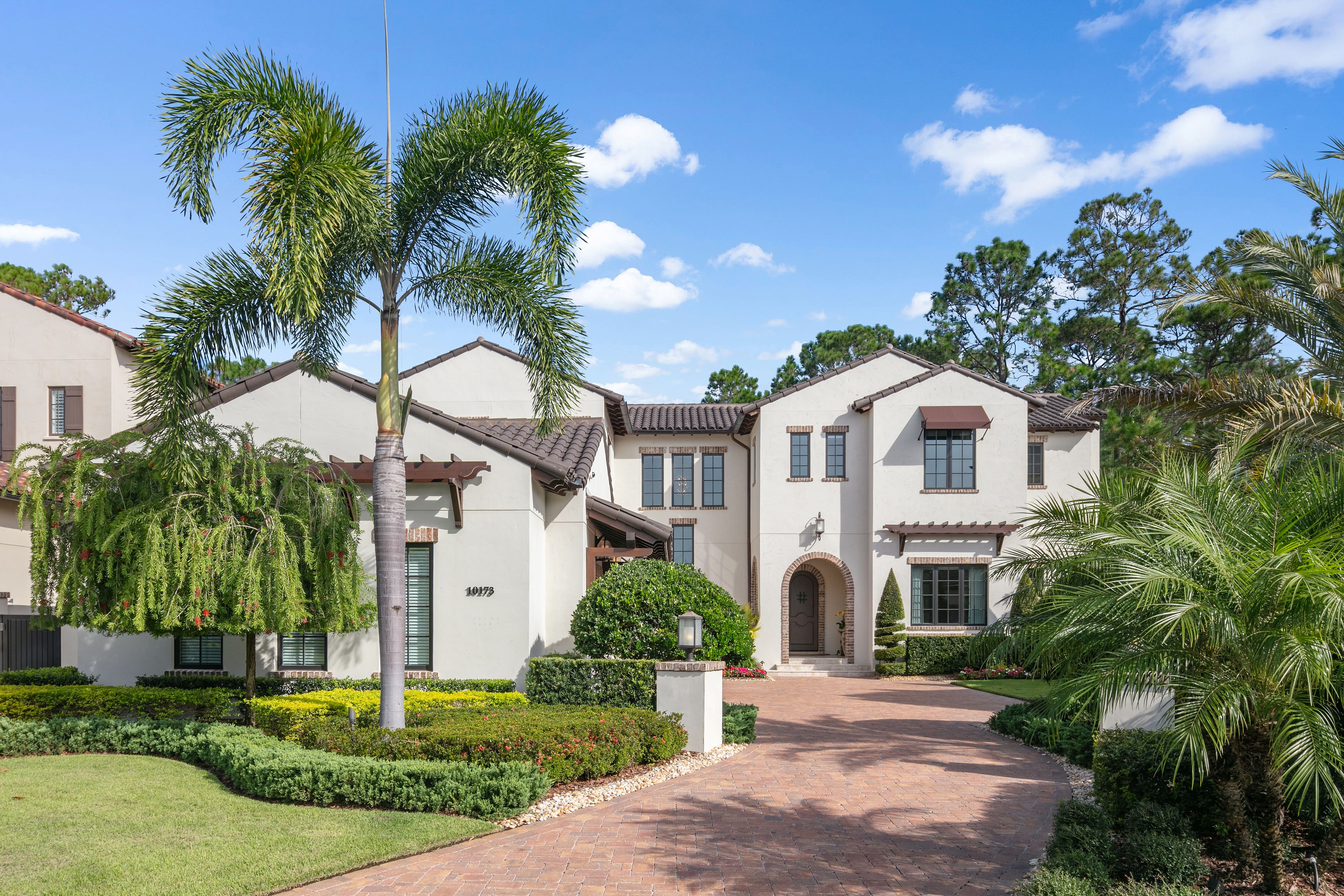
Montecito's luxury residential market creates exceptional opportunities for sophisticated house flippers who understand local buyer expectations. The community's reputation for architectural excellence, environmental beauty, and celebrity residents attracts affluent buyers seeking move-in-ready homes that reflect the area's distinctive character. Flipped properties that honor Mediterranean architectural traditions while incorporating contemporary luxury amenities command premium prices and sell quickly when properly positioned.
The Montecito real estate market demonstrates remarkable resilience, with property values maintaining stability through broader market fluctuations that affect other California communities. This stability reduces downside risk for flippers while providing confidence that renovation investments translate to commensurate value increases. The limited inventory of homes for sale at any given time creates favorable supply-demand dynamics that support strong sale prices for quality renovated properties.
Successful flipping in Montecito requires sensitivity to community design standards and environmental considerations. Architectural review processes, hillside development restrictions, and environmental protection requirements affect renovation scope and timelines. Flippers who engage qualified local architects and contractors familiar with these requirements avoid costly surprises and approval delays that undermine project profitability.
Hard money lenders typically offer 80% to 90% of the purchase price plus 100% of renovation costs, subject to total loan limits of 70% to 75% of After-Repair Value (ARV). For example, on a property purchased for $500,000 requiring $100,000 in renovations with an ARV of $800,000, a lender offering 90% of purchase and 100% of rehab up to 75% ARV would provide $450,000 acquisition funding plus $100,000 rehab funding, totaling $550,000 against the $600,000 maximum (75% of $800,000 ARV). First-time flippers typically receive lower leverage (80% of purchase) while experienced operators with proven track records may qualify for maximum leverage (90% of purchase).
Rehab draw processes begin with establishing an approved renovation budget based on contractor estimates and scope of work. Funds are held in escrow and disbursed as work is completed according to a predetermined draw schedule, typically tied to project milestones such as demolition completion, rough-in, drywall, and final finishes. To request a draw, flippers submit payment applications with contractor invoices, inspection reports, and photographic documentation of completed work. Lenders conduct verification inspections, sometimes through third-party inspectors, before approving draw disbursement. Draw turnaround times range from 2 to 5 business days depending on lender processes and inspection scheduling. Most loans allow 4 to 6 draws over the renovation period.
When flipped properties remain unsold beyond initial loan maturity dates, several options exist depending on loan terms and market conditions. Most hard money loans include extension provisions allowing borrowers to extend maturity for additional periods (typically 3 to 6 months) upon payment of extension fees and evidence of continued marketing efforts. If extensions are exhausted or inappropriate, refinancing into longer-term financing may provide additional time for sale. In challenging market conditions, converting the property to rental status and obtaining DSCR or rental loans replaces flip financing with income-producing property loans. Open communication with lenders as sales timelines extend typically generates more favorable outcomes than avoiding contact until maturity dates pass.
Hard money lender requirements regarding contractor involvement vary by loan, loan size, and borrower experience. Most lenders require licensed general contractors for renovation projects exceeding $25,000 to $50,000, ensuring proper insurance coverage, permit compliance, and workmanship standards. Some lenders allow experienced flippers to self-perform certain work categories while requiring licensed contractors for specialized trades including electrical, plumbing, and HVAC. First-time flippers are typically required to use licensed general contractors regardless of personal capabilities. Borrowers considering self-performance should discuss capabilities and licensing status with potential lenders early in the application process to ensure alignment with loan requirements.
Fix-and-flip hard money loan interest rates typically range from 10% to 14% annually depending on borrower experience, property characteristics, leverage level, and market conditions. Points (origination fees) usually range from 2% to 4% of the loan amount. Additional fees may include processing fees ($500 to $1,500), underwriting fees ($500 to $1,000), inspection fees for draw requests ($150 to $300 per inspection), and extension fees (1% to 2% per extension period) if projects extend beyond initial maturity dates. Total loan costs typically represent 3% to 6% of loan amounts plus ongoing interest during the renovation and sale period. Experienced flippers with established lender relationships often qualify for rates and fees at the lower end of these ranges.
